| |
|
|
|
Lucca The Historical Centre
|
|
|
All Photo Routes in LuccaIl Centro Storico di Lucca
| | The Lucca Historical Centre |
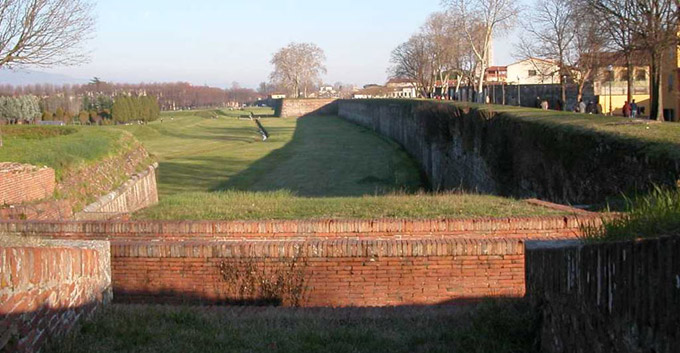
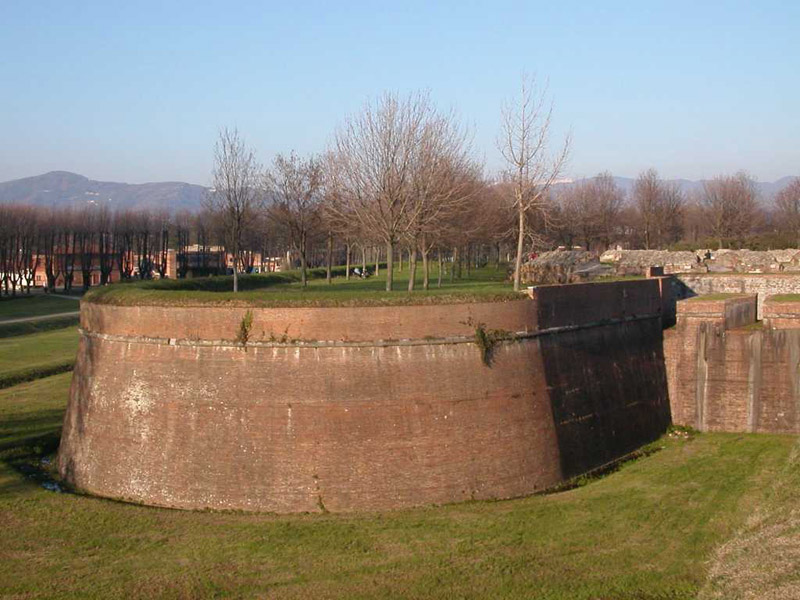
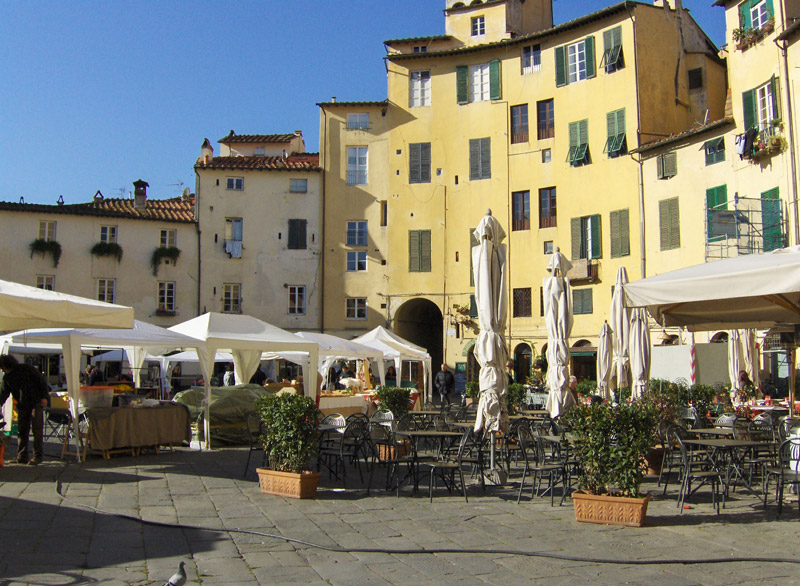
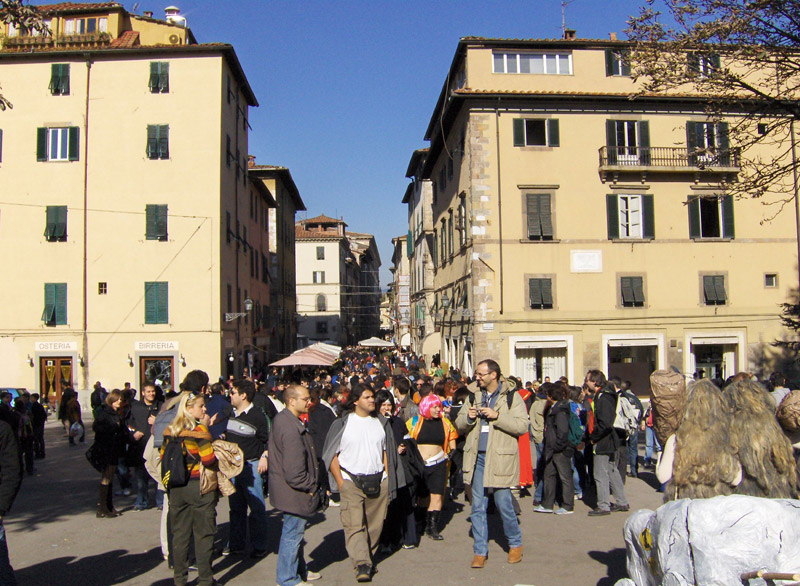
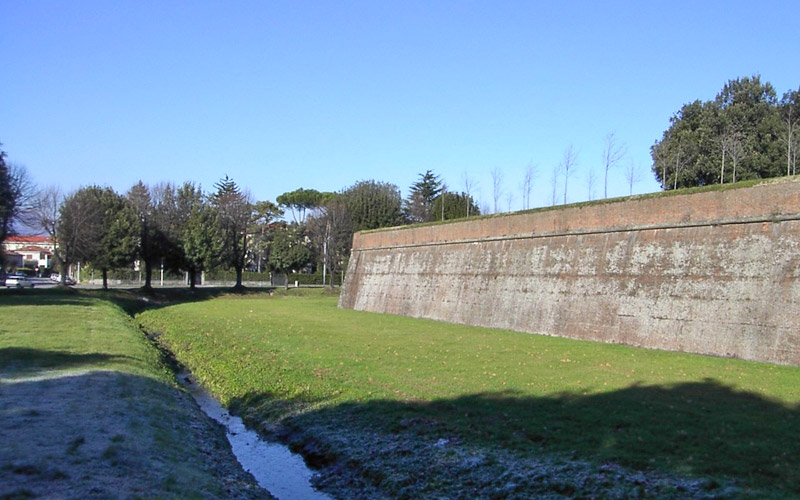
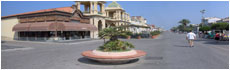
Lucca è una delle città più conosciute e visitate della Toscana, da secoli visitata anche da molti turisti stranieri che l'hanno scelta come loro seconda residenza. La città è racchiusa dentro un perimetro di quasi 4 km di mura cinquecentesche che sono il suo vero e proprio simbolo. All'interno delle mura il centro storico conserva il carattere di città stato di un tempo con le sue stradine strette e le sue caratteristiche piazze su cui si affacciano casine medievali e palazzi rinascimentali. Le prime tracce di stanziamenti umani rinvenuti sul territorio riconducono ai Liguri. Sembra, infatti, che Lucca sia stata fondata su di un’isola del fiume Auser: l’ipotesi pare essere confermata dalla radice ligure-celtica luk che indica un luogo paludoso. Furono comunque gli Etruschi, tra il VII e VI secolo a.C., a dare il primo contributo all’espansione demografica, economica e civile del territorio. |
|  | Lucca is one of the most famous and visited Tuscan city, and it's been visited by a lot of foreigners people for ages; some of them chose it as their second residence. The city is surrounded in a sixteenth-century walls perimeter 4 Kms long which are their symbol. The historic centre inside keeps the peculiarities of the ancient city-state with its narrow streets and its particular squares which its little mediaeval houses and its Renaissance palaces appear on. The first traces of human inhabitations lead to the Ligurians. In fact, Lucca was probably founded on an island of the Auser: all could be confirmed by the Ligurian-Celtic origin Luk, that designates a marshy place. But just the people, between the 7th and the 6th century B. C., were the firts people that contributed to increase the demographic, economic, civilian expansion of the territory. |
|
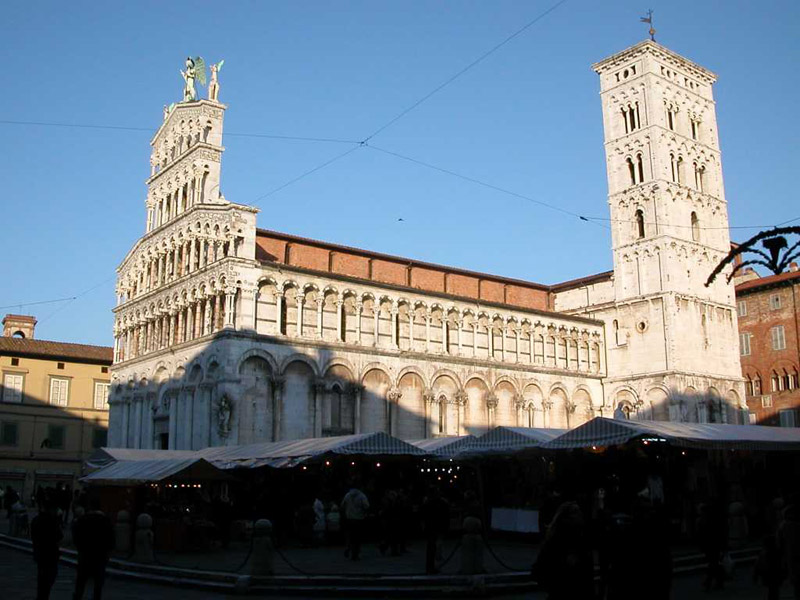
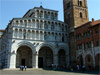
Rispetto a quasi tutte le altre città d'Italia, Lucca si distingue per il centro storico completamente circondato dalle mura che, a loro volta, sono riuscite a mantenere pressoché intatto il loro aspetto originario nel corso dei secoli. Come le altre città d'arte della Toscana che si ripettino, anche il centro storico di Lucca merita di essere visitato da chi ama l'arte e la cultura per la presenza di numerose chiese medievali di notevole ricchezza architettonica insieme a torri, campanili e palazzi rinascimentali di pregevole linearità stilistica. Non a caso, Lucca è anche detta la città dalle 1000 chiese, proprio per la presenza delle numerose chiese presenti in passato ed ora in città. Come se non bastasse, nel centro storico della città potrete trovare non solo arte, ma potrete anche deliziare i vostri palati nei vari rinomati ristoranti o dedicarvi allo shopping nei numerosi negozi qui presenti. |
|  | Compared with almost all the other Italian towns, Lucca stands out for its historical centre completely surrounded by the walls that in turn were be able to keep almost entire their original appearance during the centuries. As the other Tuscan city of art worthy the name, the historical centre of Lucca deserves to be visited, too. In fact, those who love the art and the culture can visit, for example, the several mediaeval churches for their excellent architecture together with the towers, the steeples and the palaces of the Reinassance for the notable stylistic linearity. No wonder if Lucca is also known as the city of the 1,000 churches, in fact, it was rich in churches in the past time and in the city, now. As if that it wasn't enough, in the historical centre of the town you can also satisfy your taste in several renowned restaurants or to do shopping in the various shops you can find here. |
|
| |