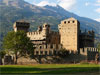
The Castle
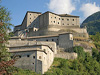
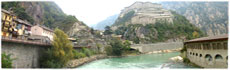
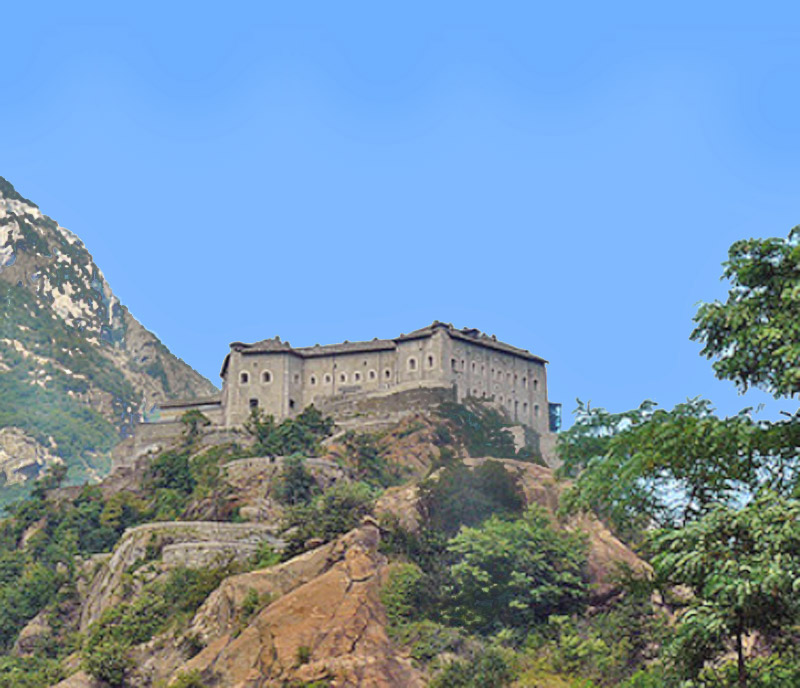
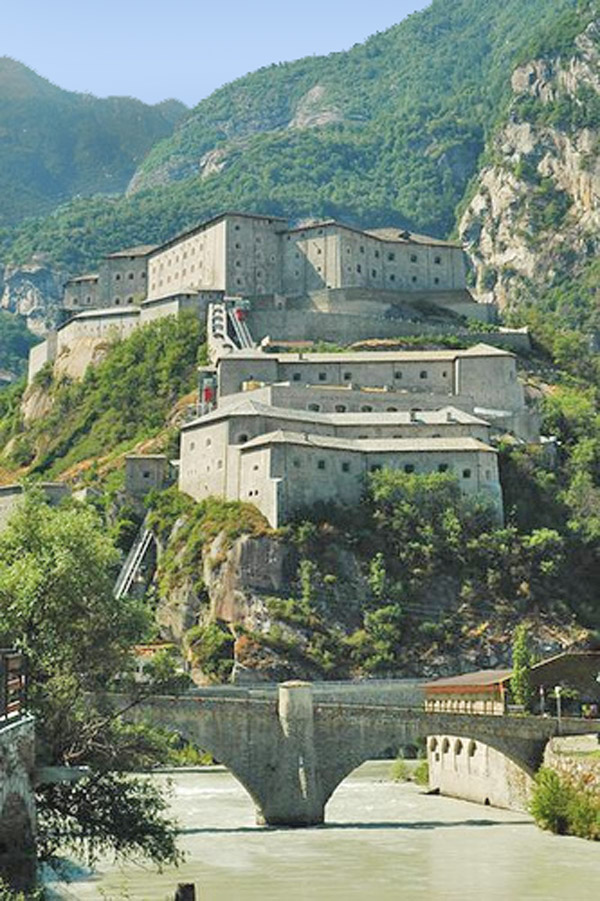
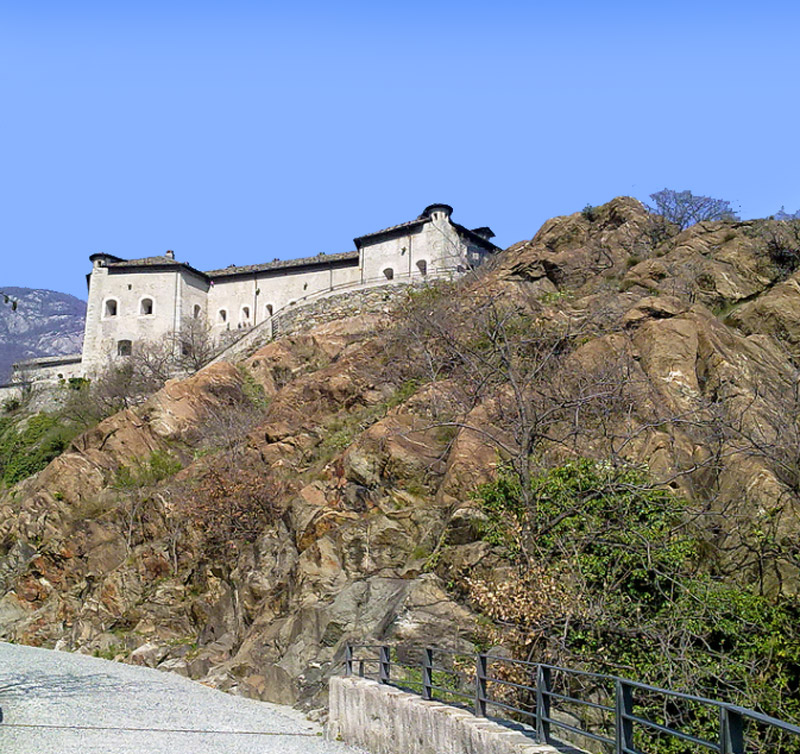
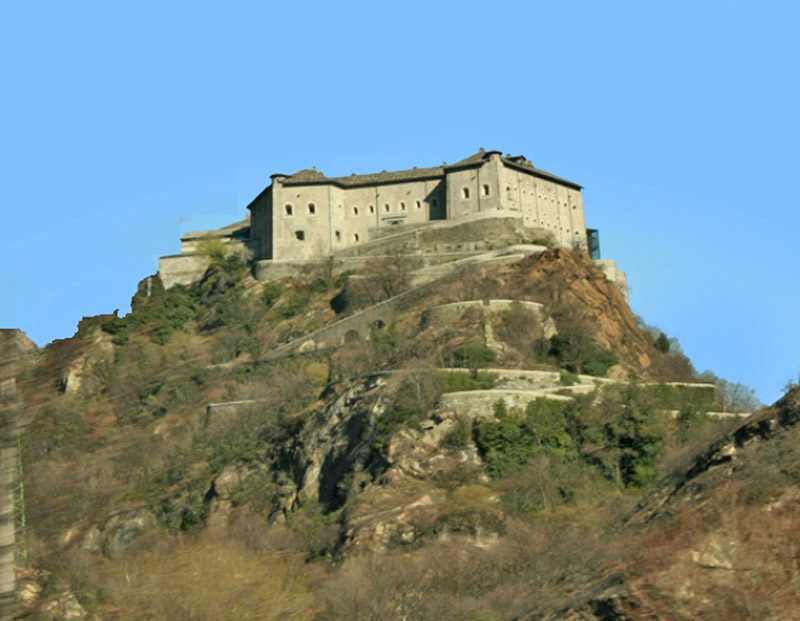
Erected on a frortress in the Valle d'Aosta entrance, the castle is the most imposing military architecture realization of those days. It's been the centre of the mediaeval life for a long time, surrounded by thick walls and a moat whose remains can be found even today and, the castle was probably supported by a chapel. The fortress had been often restored since the 13th century, but some unforgettable historic episodes had happened here: the castle withstanded the Napoleonic invasions of the 19th century. So, Napoleon, even supported by some local inhabitants, ordered to destroy it at all. After about thirty year, it had been restored thanks to Carlo Felice. In the last years, it had been used by the army, and it's been a region property since 1975. It's composed by 283 rooms, which each room is linked in to the other by covered routes extended along several floors. | 


 Europe
 Italy
Italy Aosta Valley