The Cathedral
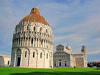
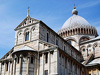
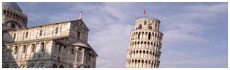
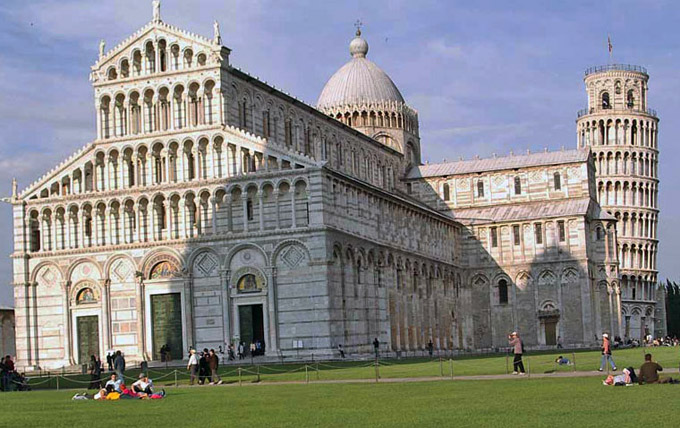
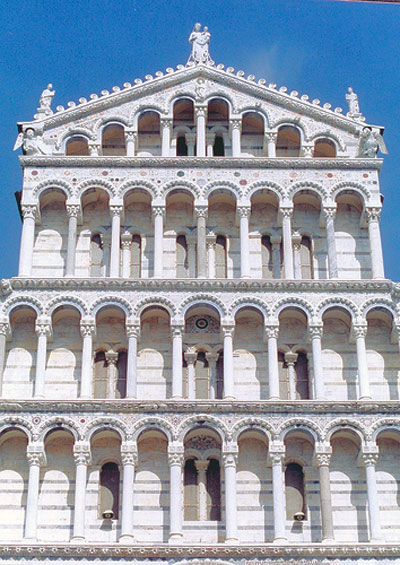
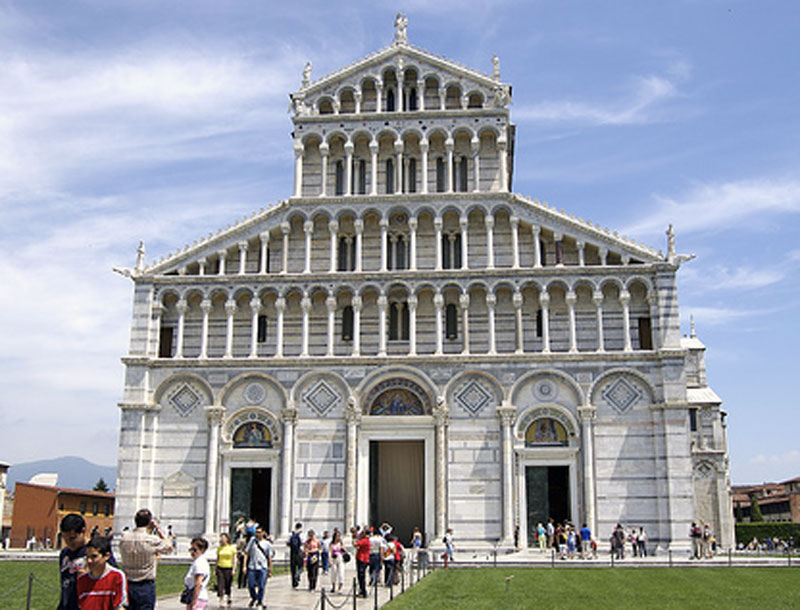
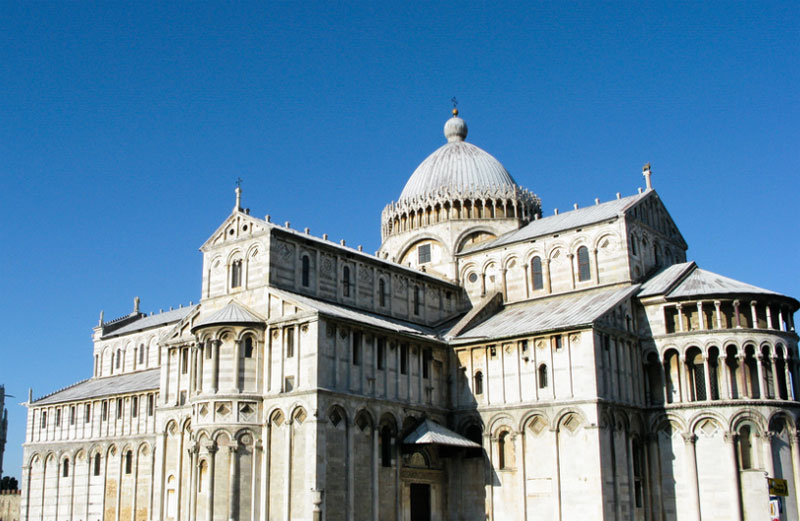
The Dome of Pisa, founded in 1064 and dedicated to S.Maria Maggiore, is a real architectural masterpiece of the Romanic period. The first project for the building was made by the architect Buscheto, who managed to modify the current stylistic forms through a completely innovative and autonomous language. According to the tradition, the construction of the Cathedral was financed by the spoils coming from the seizure of some Saracen ships in Palermo's port. To Buscheto (praised in an epigraph on the facade) we owe the inside division into five naves according to the early Christian model of the great Roman churches, enriched by the use of modern Romanic elements as the women's gallery overlooking the central nave and the roofing with groined vaults of the little naves (the central nave, originally covered by a trussed roof, has now a lacunar dating back to the end of the 16th century). | 


 Europe
 Italy
Italy Tuscany