Welcome to Turin
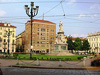
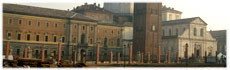
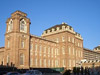
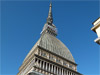
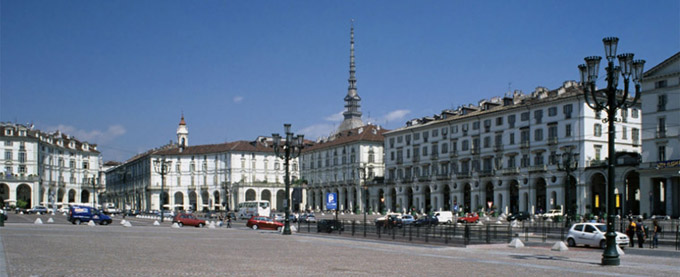
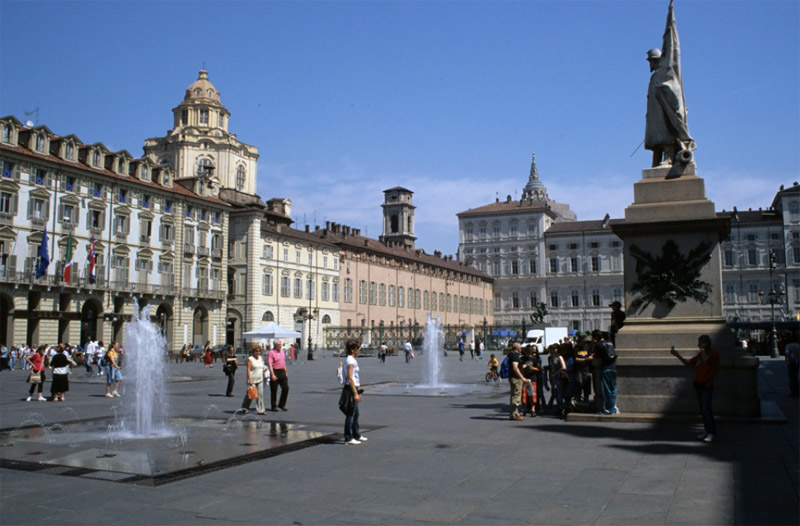
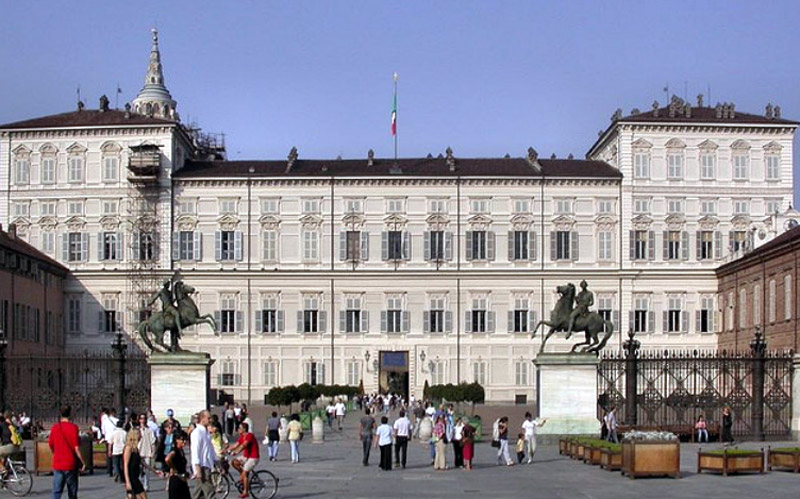
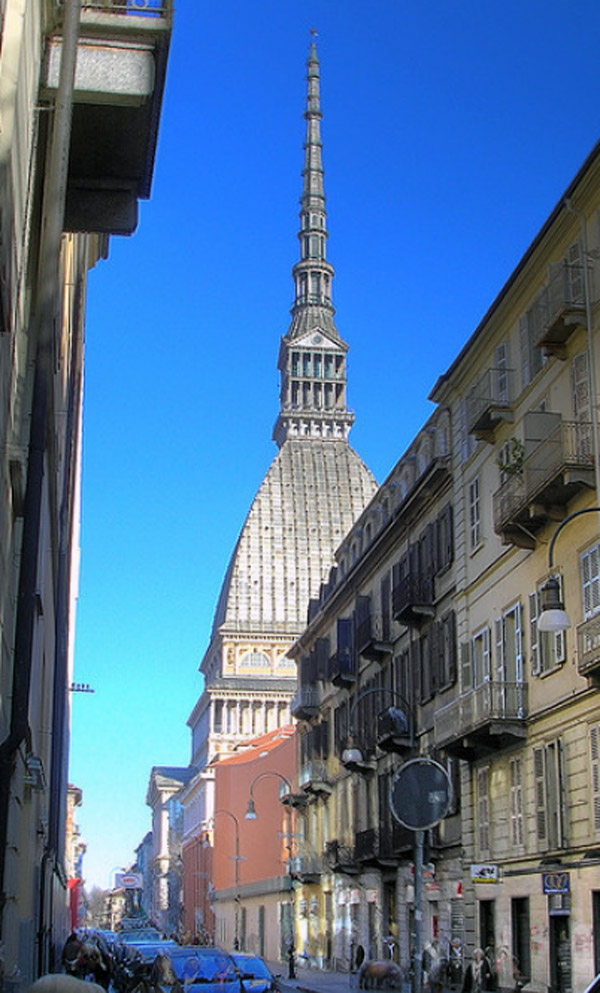
Turin was born as a Romanesque town in 29 B. C. getting the indipendence in the Mediaeval time, untill 1820, when it was given to the Savoys; under their domain, Turin develops a lot giving life to a rich period that leads it to become the Italian Kingdom capital from 1861 to 1864. At the first time of the XXth century, the town enjoyed a tecnological development that lead Turin to become what today is: a veritable artistic and historical centre famous for the industrial production, too. By wandering to Turin, you'll be astonished by the very interesting historical palaces and monuments; you must undoubtedly start from Castle Square, the core of the city where you can admire Madama's Palace and its imposing Eighteenth-century facade, the Real Palace and the Royal Theatre. The symbol of Turin is the Antonelliana Mole built in the XIX century; nowadays it's the Museum of the Cinema site. | 


 Europe
 Italy
Italy Piedmont