 The Milan Cathedral
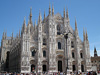
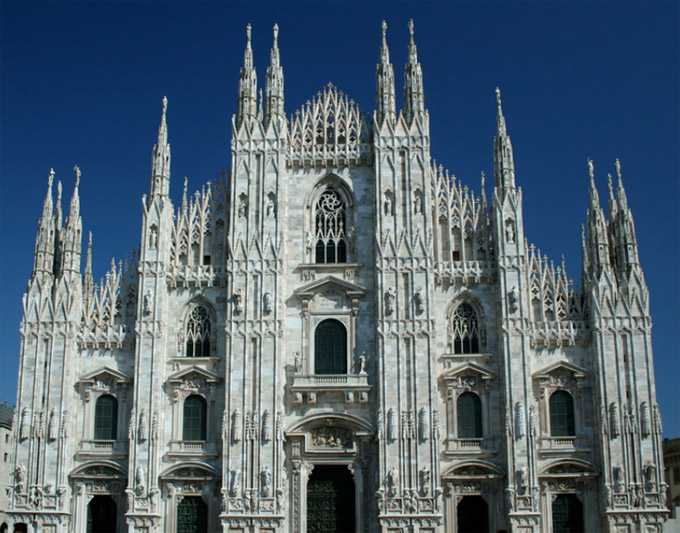
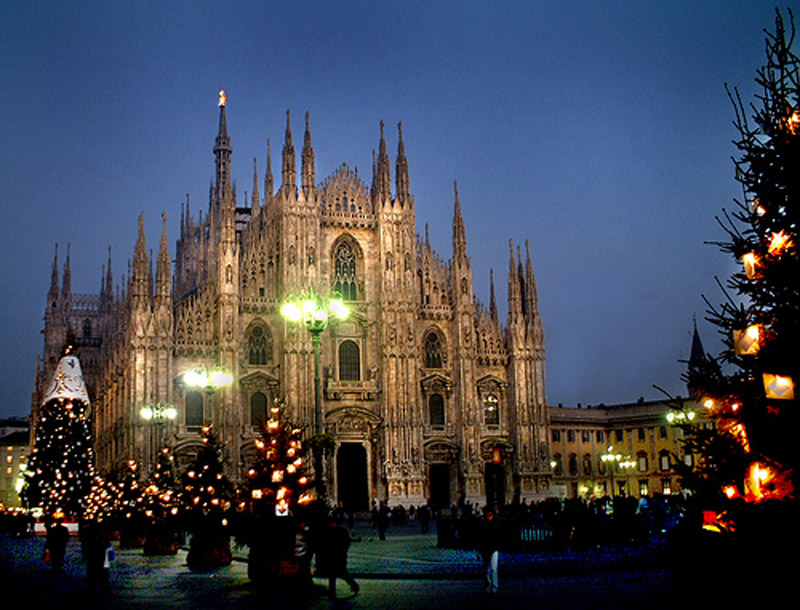
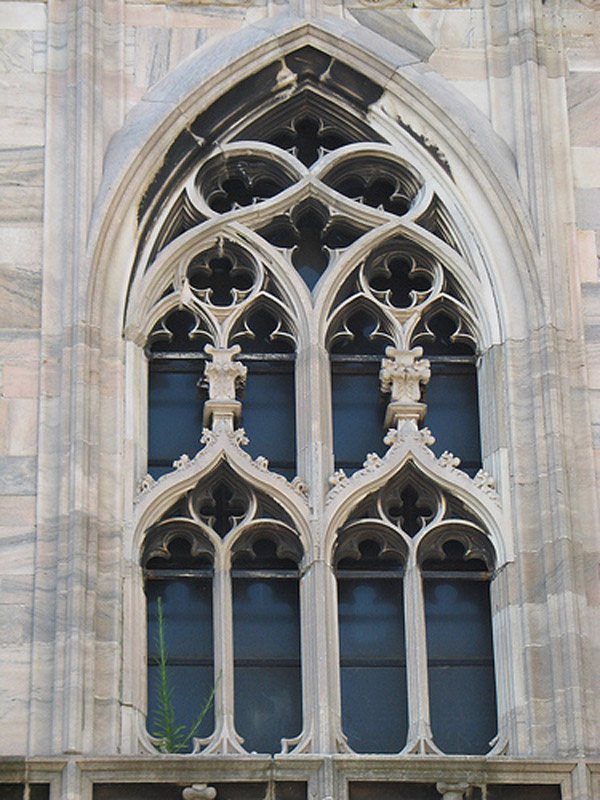
An imposing opera symble of Milan, it rears up on the Santa Maria Maggiore Basilica that was encapsulated by the Duomo. The history of this wonderful monument spans well over six centuries: in fact, on the first right span, there's a little headstone with a Latin writing: the beginning of the Duomo of Milan was in 1386. In fact, the first buildings dates back to 1837 untill the altarpiece consecration by Pope V in 1418. Its building was slow and complex. It interested the whole Italy: the Duomo followed the flowered Transalpine Gothic style that influenced the whole Italy. But its history doesn't finish in this data: in the Sixteenth century other parts were added: the main pinnacle in 1769 and the Little Madonna (Madonnina) was added in 1774. It's very loved by Milanese people. The Cathedral construction required the works of the best Italian artists, sculptors and architects.
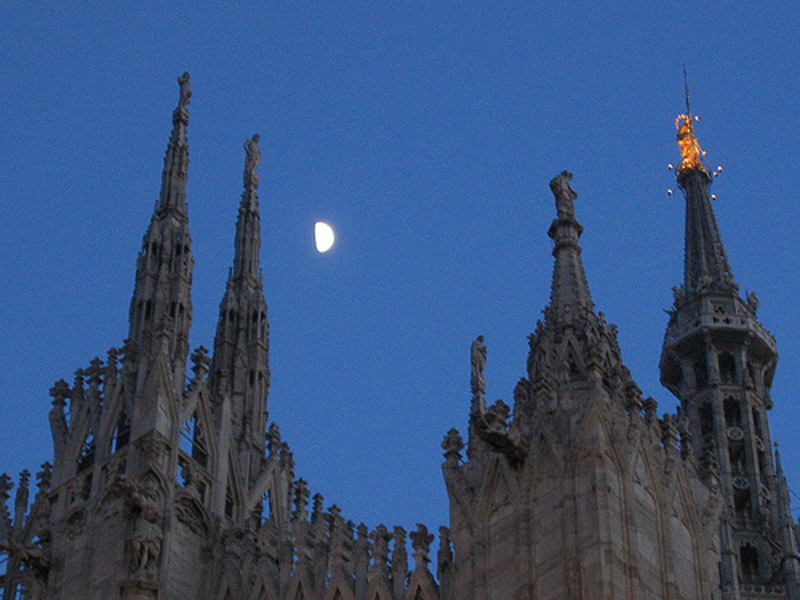
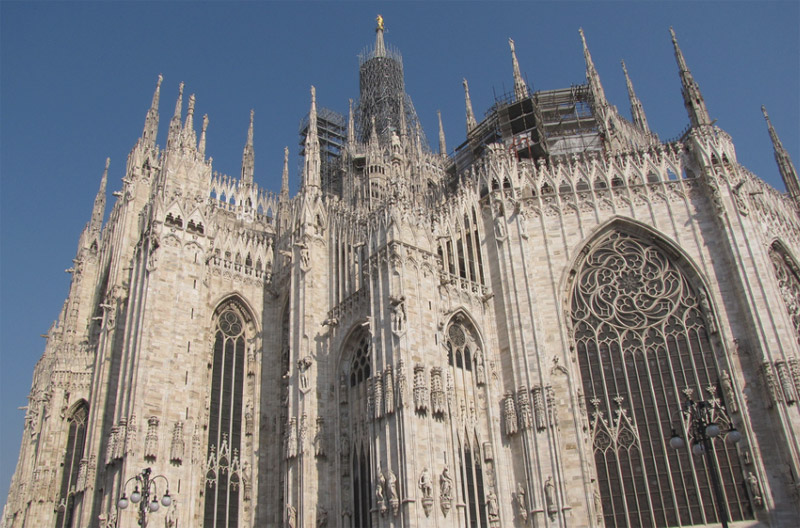
People who visit Milan will be astonished by the beauty of the Duomo thanks to its imposing structure and its facade in Baroque style. It's the town centre. Two great statues stand out on the facade; they represent the Old Testament by Luigi Acquisti; by walking around the Cathedral you'll be attracted by several sculptures, pinnacles, gargoyles and rampant arches. Above the several pinnacles there is the base of the cupola where the Madonnina was put on; it's a popular copper statue representing Our Lady of the Assumption and it's a symble of Milan, now. The apse deserves a particular attention, too: this is the most ancient part of the Cathedral. The fifty-two columns inside undoubtedly catch visitors' attention; moreover, the columns divided the five naves and holds the suggestive Gothic tunnel. You cannot miss the archbishops' sarcophaguses on red marble columns. | 


 Europe
 Italy
Italy Lombardy